
Building Integrity:
Owners Corporation Defect Management
Welcome to this comprehensive guide on defect management and maintenance reporting for Owners Corporations.
This presentation outlines essential strategies for identifying, documenting, and resolving building defects in strata schemes while meeting legal obligations and protecting your investment.
We’ll explore practical approaches to maintaining building integrity through effective documentation, reporting procedures, and maintenance planning that every strata committee member should understand.
Identifying Common Building Defects
Structural Issues
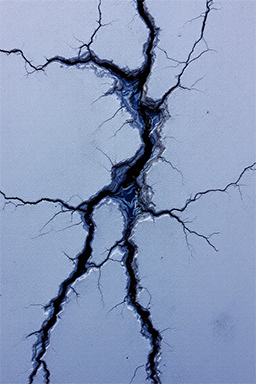
Foundation settlement, concrete spalling, column/beam defects, and structural cracking that may compromise building integrity
Water Penetration
Waterproofing failures in bathrooms, balconies, and roofs leading to moisture damage, mold growth, and deterioration of building elements.
Safety Concerns
Faulty balustrades, inadequate fire protection systems, non-compliant pool barriers, and insufficient emergency lighting.
Research indicates that waterproofing issues account for nearly 80% of building defect complaints in Australian strata schemes, with structural concerns and fire safety deficiencies following closely behind.
Documenting Defects Effectively
Documentation Best Practices
- Record date, time, and exact location of each defect.
- Take high-resolution photos from multiple angles with proper lighting.
- Include measurements and reference objects for scale.
- Document progression of defects with time-stamped records.
- Maintain secure digital and physical copies of all evidence.
Thorough documentation during statutory warranty periods (typically 2-6 years) is crucial for successful claims against builders and developers.
Maintenance and Repair Strategies
Emergency Repairs
Immediate action for water penetration, electrical hazards,
structural failures, and gas leaks
Typically requires special levy funding or emergency fund access
Preventive Measures
Proactive waterproofing treatments
Scheduled repainting and resealing of external surfaces
Scheduled Maintenance
Regular servicing of essential systems: HVAC,
elevators, fire safety equipment
Annual inspections of common property elements
Financial Planning
Capital works fund forecasting for 10+ years
Maintenance reserves based on building age and condition
Reporting Defects to Responsible Parties
Initial Assessment
Strata committee identifies and catalogs defects, determining
severity and potential risks
Strata Manager Notification
Formal communication to strata manager with comprehensive documentation and requested action timeline
Builder/Developer Engagement
Written notice to responsible parties citing defects, warranty
obligations, and requested remediation timeline
Escalation If Necessary
Pursue resolution through Fair Trading, NCAT tribunal hearings,
or legal proceedings if initial attempts fail
Best Practices in Defect Reporting
Expert Inspections
- Engage licensed builders for independent assessments
- Hire specialised engineers for structural or hydraulic issues
- Commission comprehensive defect reports from qualified building consultants
Risk Prioritisation
- Categorise defects by safety risk and potential for damage escalation
- Address fire safety and structural concerns immediately
- Create timeline-based action plans for all identified issues
Stakeholder Communication
- Maintain transparent reporting to all lot owners
- Document all communications with builders and developers
- Update building insurers about significant defects
Case Study: Managing Defects in a Strata Scheme
Oceanview Apartments Success Story
This 45-unit development in Sydney’s eastern suburbs discovered extensive waterproofing failures in 85% of balconies within 18 months of completion.
Comprehensive Documentation
Professional defect report commissioned within warranty period, with detailed photographic evidence.
United Committee Action
Strata committee engaged specialized strata lawyer and maintained consistent pressure on developer.
Successful Resolution
Developer agreed to complete $1.8M in remediation work without tribunal proceedings.
“The key to our success was thorough documentation and unwavering persistence. We approached the developer with evidence they couldn’t dispute.”
– 4 Sarah Chen, Strata Committee Chair
Conclusion and Next Steps
Key Takeaways
Establish a Defect Management System
Create standardized procedures for identifying, documenting, and reporting defects across your property
Build a Professional Network
Develop relationships with qualified inspectors, engineers, and strata lawyers before emergencies arise
Implement Regular Inspections
Schedule quarterly walkthrough inspections of common areas and annual professional assessments